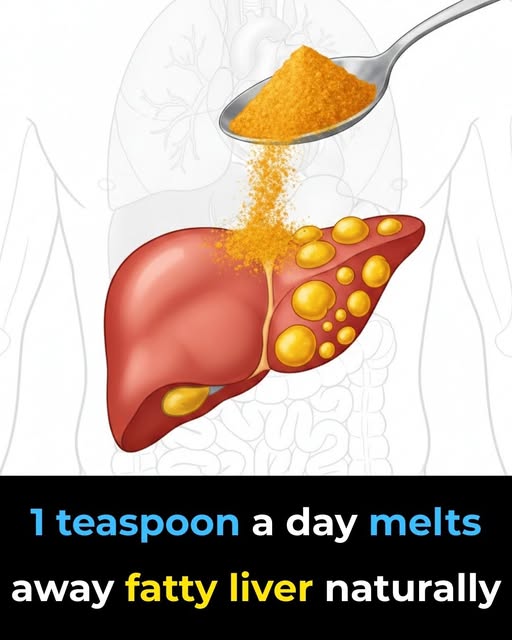
Millions of people worldwide are affected by fatty liver disease, a condition that often develops silently and without obvious symptoms. Many individuals may not realize they have it until it progresses. Importantly, fatty liver disease does not only affect those who are overweight. Children, adolescents, and adults of all body types can develop this condition.
Common risk factors include excess body weight, particularly abdominal fat, elevated triglycerides, high LDL cholesterol, insulin resistance, type 2 diabetes or prediabetes, hypertension, and diets high in ultra-processed foods. Refined carbohydrates such as white bread, sugary cereals, packaged snacks, and sweetened beverages significantly contribute to metabolic imbalance. Over time, these dietary patterns can overwhelm the liver’s ability to properly manage fats and carbohydrates.
The Liver’s Essential Role in the Body
The liver is one of the body’s most vital and metabolically active organs. It performs hundreds of critical functions necessary for maintaining overall health. Among its primary roles:
-
Filtering and detoxifying the blood
-
Producing bile, which is essential for fat digestion and absorption
-
Processing bilirubin, cholesterol, hormones, and medications
-
Regulating the metabolism of fats, proteins, and carbohydrates
-
Storing glycogen for energy regulation
-
Holding essential vitamins and minerals such as iron and vitamin A
-
Producing key proteins, including albumin and blood-clotting factors

Be First to Comment