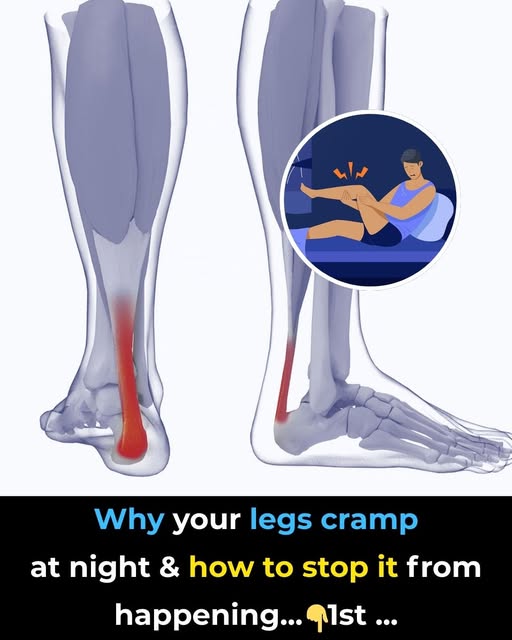
Nocturnal leg cramps are sudden, involuntary muscle contractions that occur during the night, often disrupting sleep and causing significant discomfort. Although the cramp itself may last only a few seconds to several minutes, residual muscle soreness can persist for hours or even days. Because restorative sleep is essential for cardiovascular health, immune function, metabolic balance, and cognitive performance, recurrent nighttime cramps can negatively affect overall well-being.
Dehydration and reduced blood flow to the lower extremities are among the most common contributors. However, additional factors may include electrolyte imbalances, prolonged sitting, nerve compression, certain medications (such as diuretics), pregnancy, and age-related muscle changes.
While nocturnal leg cramps are more frequently reported among adults over the age of 50, younger individuals are not exempt. The calf muscle is most commonly affected, but cramps may also occur in the feet, thighs, or hamstrings.
Below are practical strategies that may help reduce the frequency and severity of nighttime leg cramps.

Be First to Comment