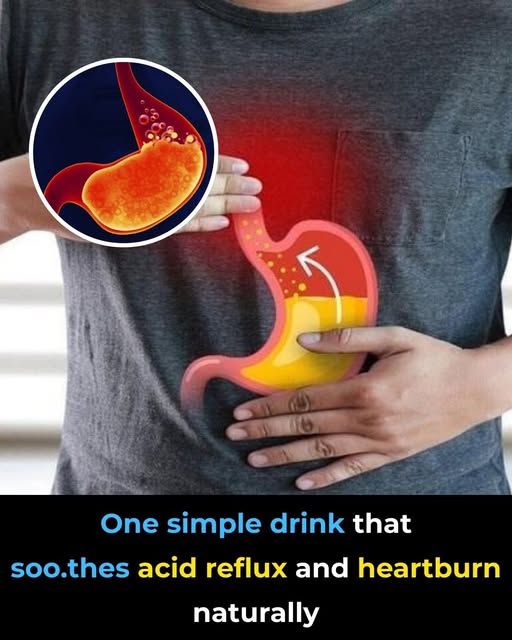
Gastroesophageal reflux disease (GERD) is a chronic digestive condition in which stomach acid frequently flows back into the esophagus—the tube connecting the mouth and stomach. This repeated backflow, known as acid reflux, can irritate the lining of the esophagus and cause persistent discomfort.
Occasional reflux is common and usually harmless. However, when symptoms occur regularly or interfere with daily life, the condition may be diagnosed as GERD. According to the Mayo Clinic, treatment typically includes lifestyle modifications and medications that reduce acid production. In more severe or persistent cases, surgical intervention may be considered.

Common Symptoms of GERD
GERD symptoms can vary in intensity, but the most frequently reported include:
-
A burning sensation in the chest (heartburn), especially after eating
-
Worsening discomfort at night or when lying down
-
Regurgitation of food or sour liquid into the throat
-
Chest pain or upper abdominal discomfort
-
Difficulty swallowing
-
A sensation of a lump in the throat
If left untreated, chronic GERD may lead to complications such as esophagitis (inflammation of the esophagus), narrowing of the esophagus, or Barrett’s esophagus, a condition associated with increased cancer risk. Therefore, persistent symptoms should always be evaluated by a healthcare professional.
Risk Factors That May Contribute to GERD
Several factors can increase the likelihood of developing GERD, including:

Be First to Comment