In recent months, a series of provocative foreign policy discussions and military actions have thrust a long-dormant fear back into the American zeitgeist: the return of the military draft. From President Donald Trump’s unorthodox proposals—such as the potential annexation of Greenland—to more immediate kinetic actions, including U.S. strikes on Venezuela and escalating rhetoric regarding Iran, the global landscape is increasingly characterized by friction. This heightened state of international tension has triggered a measurable surge in public anxiety. Online search metrics for terms such as “World War III” and “US draft rule and age” have spiked as citizens scramble to decipher the mechanics of a system that has not been utilized in over half a century. As the possibility of a broader global conflict moves from the fringes of theory to the center of national conversation, understanding the current legal framework of the Selective Service has never been more pertinent.
The All-Volunteer Reality vs. The Legal Framework
At present, the United States military operates exclusively as an all-volunteer force, a transition that became permanent in January 1973 following the conclusion of the Vietnam War. However, the abolition of the draft did not mean the removal of its legal architecture. The statutory authority to conscript remains embedded in federal law; it functions as a dormant mechanism that can be reactivated by the President and Congress in the event of a declared national emergency.
For three generations of Americans, the draft is a historical relic rather than a lived reality, leading to a significant gap in public knowledge regarding how such a process would actually unfold.
The Lottery of Service: How a Modern Draft Would Function
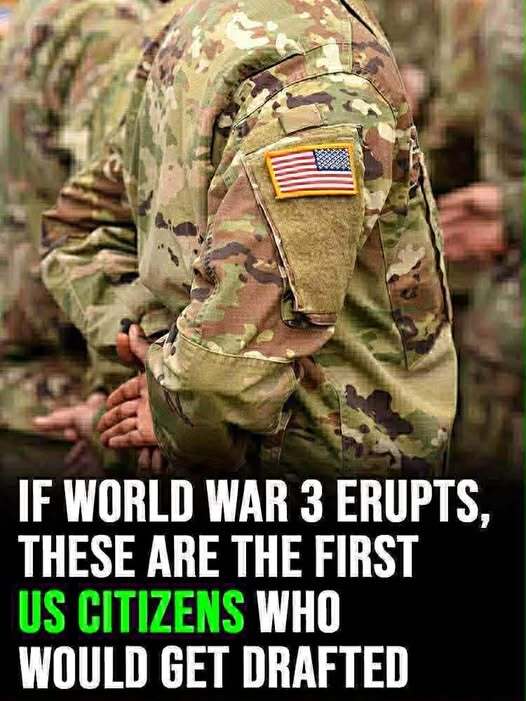
Should the Selective Service System be mobilized today, the selection process would follow a structured, age-weighted lottery system designed to fill troop requirements in a specific order:
-
The First Wave: Men in the calendar year of their 20th birthday.
-
The Subsequent Tier: Those aged 21 through 25.
-
The Final Reserve: 19-year-olds, followed by 18-year-olds, would only be called if further manpower was necessitated by the scale of the conflict.
Registration Mandates and Demographics
While the draft is not active, the requirement to register remains a mandatory obligation for nearly all male residents in the United States between the ages of 18 and 25. This mandate is surprisingly broad, encompassing not only U.S. citizens but also non-citizens, refugees, asylum seekers, and dual nationals.
There are, however, specific legal exemptions. These typically apply to certain institutionalized individuals, ordained ministers, and specific elected officials. Furthermore, students are permitted to request postponements to their service under certain conditions.

Be First to Comment