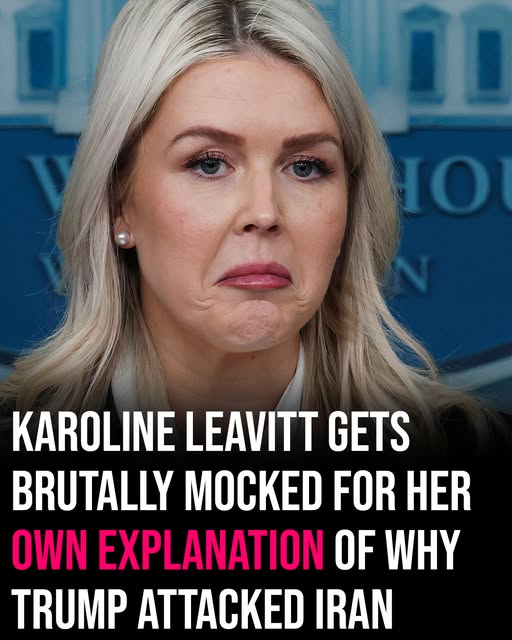
The administrative rationale for the United States’ February 28 military strike on Iran continues to shift, leaving both Capitol Hill and the international community grappling with a fragmented narrative. On Wednesday, White House Press Secretary Karoline Leavitt introduced a new layer to the official record, offering an explanation for the launch of Operation Epic Fury that critics have since characterized as being rooted more in “vibes” than in verifiable intelligence.
The briefing comes as the administration struggles to present a unified front. Since the strikes, a revolving door of justifications has emerged from the West Wing and its allies. Senator Marco Rubio and Secretary of Defense Pete Hegseth initially framed the operation as a preemptive necessity to neutralize an imminent nuclear threat. President Trump himself amplified this, asserting that Tehran was a mere “two weeks” away from weaponization—a claim that would have seen a nuclear-armed Iran become a reality had key facilities not been reduced to rubble.
However, the “imminence” of the threat has been a moving target. While Rubio described the move as a defensive measure to get ahead of a presumed Israeli strike, the President offered a different calculation, stating plainly: “It was my opinion that they were going to attack first.”
The “Cumulative Effect” and the President’s Intuition
During Wednesday’s press briefing, Leavitt was pressed by a reporter from The Independent to provide the specific, smoking-gun evidence that necessitated such a high-stakes escalation. The exchange turned on the administration’s persistent inability to define the exact nature of the “imminent threat” that triggered the operation.
Leavitt attempted to bridge the gap between intelligence and executive action. “I will explain to you exactly what led the president to make the decision,” she told the room, pivoting away from a single “trigger” event in favor of a “cumulative effect” of Iranian provocations.

Be First to Comment