In recent years, the cultural perception of cannabis has undergone one of the most dramatic transformations in modern American society. Once portrayed almost exclusively as a dangerous narcotic tied to criminality and social decline, marijuana is now widely accepted in many parts of the United States as a recreational substance and therapeutic product. Dispensaries operate openly in cities and suburbs, sleekly packaged cannabis products fill store shelves, and conversations about marijuana have shifted from prohibition to wellness, lifestyle, and personal freedom.
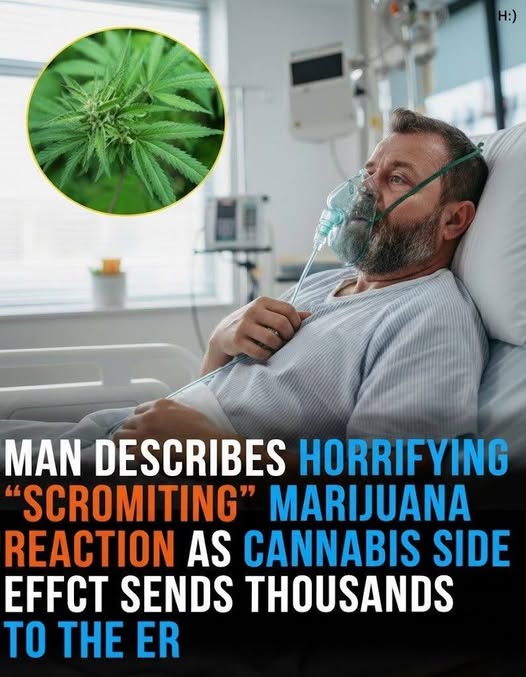
Yet beneath this normalization lies a growing medical concern that many users have never heard of: Cannabis Hyperemesis Syndrome, a severe condition linked to chronic cannabis use that can send sufferers into repeated cycles of extreme vomiting, intense abdominal pain, and emergency hospital visits. In the most severe cases, the distress is so overwhelming that medical staff have coined a disturbing term to describe what they witness in emergency rooms — “scromiting,” a blend of screaming and vomiting.
Doctors across the country say the phenomenon highlights an uncomfortable reality: legalization, popularity, and cultural acceptance do not automatically mean a substance is harmless.
The Long Cultural Journey of Cannabis
The story of marijuana in the United States reflects decades of shifting social values and political priorities. During the 1980s and 1990s, cannabis was widely portrayed through a lens of fear and moral panic. Government campaigns, school presentations, and public service announcements warned young people that marijuana was a “gateway drug” destined to lead to addiction, criminal activity, and life-ruining consequences.
These warnings were central to the broader War on Drugs, a nationwide political and law-enforcement campaign that sought to curb drug use through aggressive policing and strict sentencing laws. For many Americans, simply possessing marijuana could result in arrest, incarceration, or a criminal record that followed them for years. Entire communities—particularly communities of color—were disproportionately impacted by these policies.
Despite these strict measures, cannabis use never disappeared. Instead, it largely moved underground.
By the early 2000s, public attitudes began to soften as medical research explored the plant’s potential therapeutic benefits. States gradually introduced medical marijuana programs, allowing patients with conditions such as chronic pain, epilepsy, or cancer-related symptoms to access cannabis legally.
Over time, these programs paved the way for broader reform. Today, recreational marijuana is legal in dozens of states, and dispensaries are as common in some cities as pharmacies or coffee shops. Public opinion surveys consistently show that a majority of Americans support legalization, and many people now view cannabis as comparable to alcohol — a substance that can be enjoyed responsibly within regulated limits.
However, this sweeping cultural shift has also created an environment where potential risks are sometimes overlooked.

Be First to Comment