He continued: “WHO continues to work with the ship’s operators to closely monitor the health of passengers and crew, working with countries to support appropriate medical follow-up and evacuation where needed.
“Monitoring and follow-up for passengers on board and for those who have already disembarked has been initiated in collaboration with the ship’s operators and national health authorities. WHO thanks all those involved. At this stage, the overall public health risk remains low.”
As fears grow online that the outbreak could mirror the early stages of Covid-19, WHO epidemiologist Maria Van Kerkhove pushed back on comparisons during a recent press conference.
“This is not the next Covid, but it is a serious infectious disease. If people get infected, and infections are uncommon, they can die. People on the ship who are hearing this are very scared, rightly so,” she said, according to ABC News.
“The general public might be scared as well. Accurate information is critical. Knowing what your actual exposure might be – most people will never be exposed to this.”
While it may not be the next Covid, strains of hantavirus can cause extreme issues for those who contract them.
As per reports, American strains of hantavirus often cause Hantavirus Pulmonary Syndrome (HCPS), which affects the lungs and heart. The WHO says the death rate in these cases is between 20 and 40 percent.
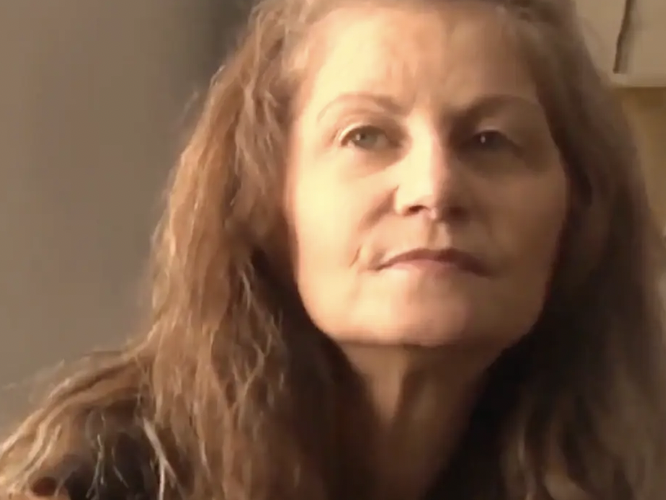
Debbie Zipperian, of Montana, entered an old chicken coop on her ranch to collect her cat’s food plates in 2011.
She was in the coop for under five minutes, but it was long enough for her to inhale dust contaminated with rodent droppings carrying hantavirus.
“My face was this close to it,” she told KPAX-TV in 2018.
Around a week later, Debbie began suffering from backaches, extreme fatigue, and severe neck pain.
Multiple hospital visits later, she was diagnosed with HPS. Debbie’s condition rapidly deteriorated, and she experienced hallucinations, confusion and respiratory failure in the hospital.
“I flat-lined twice,” she said, revealing that doctors had struggled to place her on a ventilator because she was stressed and difficult to sedate.
Her late husband told her that she grew ‘hysterical like a rabid bobcat’.
Debbie eventually regained consciousness after a week in hospital, but the virus left lasting spinal and neurological damage. She had to relearn how to walk and, in 2018, continued to have difficult with her memory and concentration.
Be First to Comment