
The loss of someone close to us is one of the most profound and difficult experiences any person can face. It affects every aspect of life, touching emotions, thoughts, relationships, and daily routines in ways that can feel overwhelming and deeply personal.
Grief often arrives suddenly and can bring a mixture of emotions that are difficult to describe. Sadness, confusion, anger, longing, and even numbness can all appear during the mourning process, sometimes changing from day to day.
Although grief is universal, every person experiences it differently. Cultural traditions, personal beliefs, and the nature of the relationship with the person who died can all influence how individuals respond to loss.
For some people, healing may gradually occur over months as they learn to adjust to life without the person they loved. Others may feel the impact of grief for many years, sometimes revisiting those feelings during important memories or anniversaries.
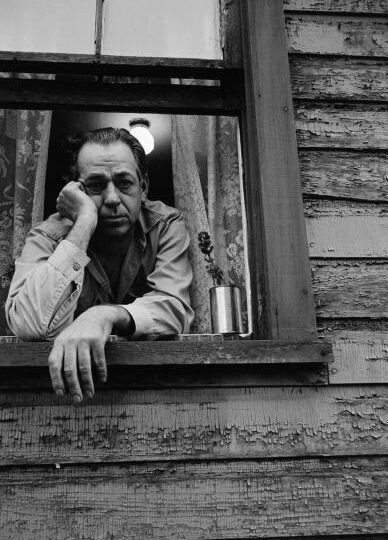
Psychologists often describe grief as a process rather than a single emotional event. People may move through different emotional phases as they slowly come to terms with what has happened and begin rebuilding their lives.
These emotional responses are not simply matters of the mind. Modern research shows that grief can affect the entire body, influencing sleep, appetite, immune responses, and even heart health.
When individuals experience intense grief, the body can release stress hormones such as cortisol and adrenaline. These chemicals are part of the body’s natural reaction to emotional shock and can temporarily change how the body functions.

Be First to Comment