Brewer and his accomplices beat Byrd, urinated on him and spray-painted his face.
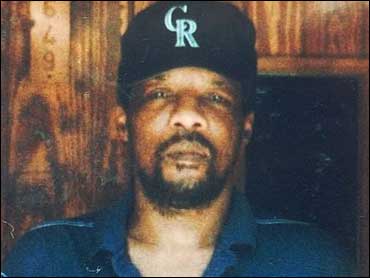
Then they tied him to a Ford pickup truck and dragged him for three miles (5 kilometers) along a paved road. Byrd, who stayed conscious for much of the horrific ordeal, was killed about halfway through when his body struck the edge of a culvert, severing his right arm and head.
Brewer and John King were the first white men in modern Texas to receive the death penalty for killing a Black man. Shawn Berry, another accomplice, received a life sentence. The murder shocked the nation and became one of the most notorious racially motivated killings in U.S. history.
The horrific crime also fueled changes in U.S. law. In 2009, the James Byrd Jr. Hate Crimes Act was passed under President Barack Obama, expanding protections against violent crimes motivated by race, religion, gender, sexual orientation, disability, and more, allowing federal prosecution and increasing authority to combat bias-motivated violence.
Far beyond the usual
Before his execution in 2011, Brewer was asked what he wanted for his final meal.
In Texas, last meal requests often feature steak, burgers, or breakfast favorites, while some inmates even skip the meal altogether.
But Brewer’s order went far beyond the usual fare.
According to the Houston Chronicle, he requested a shocking spread: chicken-fried steaks, fried okra with ketchup, a cheese omelet loaded with ground beef, jalapeños, and bell peppers, a triple-meat bacon cheeseburger, three fajitas, one pound of barbecue, a half-loaf of white bread, and a pizza “meat lover’s special.”
And that wasn’t all. He also asked for one pint of Blue Bell “homemade vanilla” ice cream, a slab of peanut butter fudge with crushed peanuts, and three root beers.
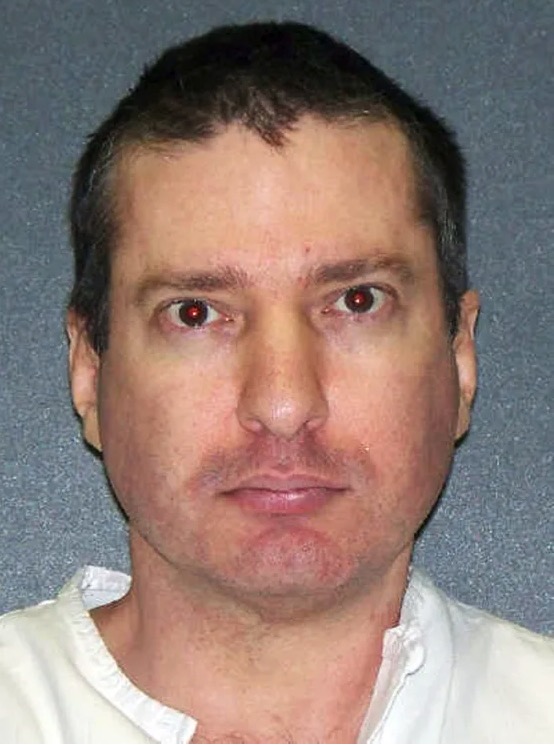
Prison staff prepared the extravagant meal — but when it was served, Brewer refused to eat a single bite. He said he wasn’t hungry.
The food later was discarded.
Texas Senator John Whitmire, fed up with the stunt, ended the tradition of last meals in the state. In a letter to prison chief Brad Livingston, he wrote:
“It is extremely inappropriate to give a person sentenced to death such a privilege. I have yielded to TDCJ judgment in the past, but now enough is enough.”
He added:
“This old boy last night, enough is enough. We’re fixing to execute the guy and maybe it makes the system feel good about what they’re fixing to do. Kind of hypocritical, you reckon?”
As a result, death row inmates in Texas now receive only the regular meal served in the Huntsville Unit cafeteria on the day they are executed.
However, Whitmire’s decision wasn’t without controversy. Prison reform advocate Ray Hill defended the tradition of last meals, calling it “cruel and extremely unusual” to end a practice so deeply rooted in Texas history.
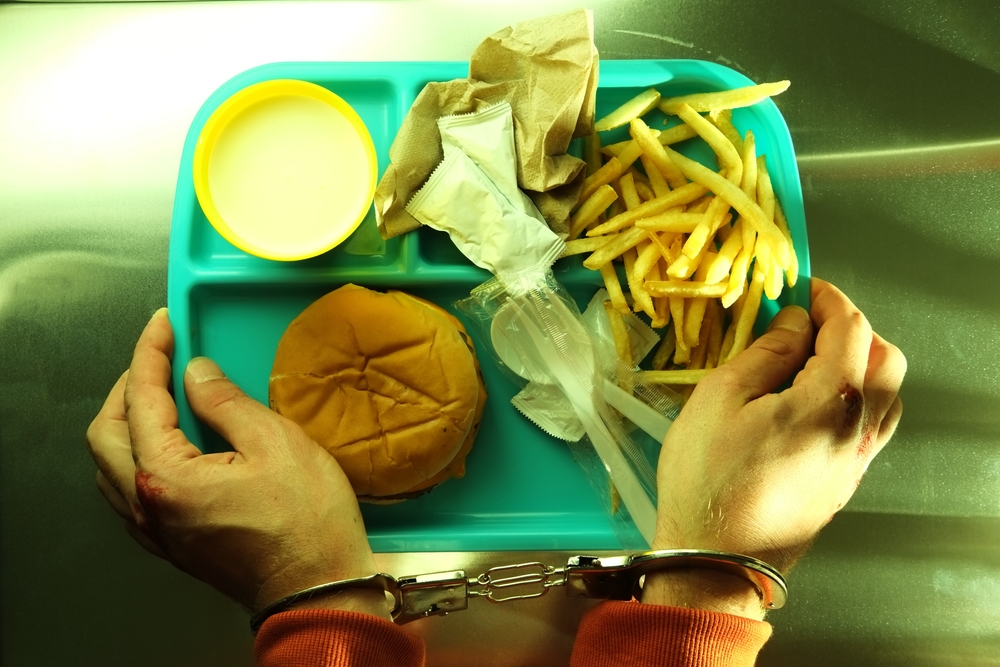
Brian Price, a Crockett restaurant owner and former death row “chef,” argued that Senator Whitmire’s complaints were overblown.
“They only get items in the commissary kitchen,” Price explained. “If they order lobster, they get a piece of frozen pollack. They quit serving steaks in 1994. If they order 100 tacos, they get two or three. … Whitmire’s just getting on a political soapbox.”
Having prepared over 200 last meals for condemned inmates, Price — author of the prison cookbook Meals to Die For — made it clear that the reality of last meals is far less extravagant than the public imagines.
Lawrence Brewer was executed by lethal injection and pronounced dead on September 21, 2011, in Huntsville, Texas, according to Michelle Lyons of the Texas Department of Criminal Justice. He had no final words.
What do you think about this? Was it right for Texas to end the tradition of last meal requests for death row inmates? Drop your opinions in the comments.
Be First to Comment